From Rainforest to Dry Forest: Learning Across Costa Rica’s Biomes
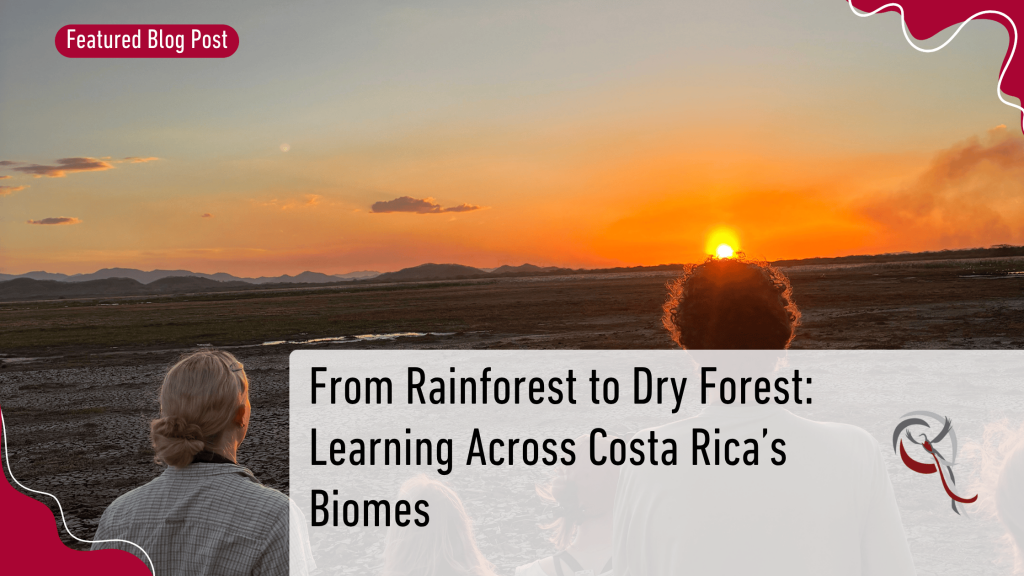
QERC students have safely returned from the longest venture of the year: the biomes tour. Led by botany and geography professor Dr. Bruce Hoagland, this annual journey takes each cohort from the Pacific to the Caribbean, from high elevations to lowlands, and from rainforest to dry forest. Along the way, students learn to observe how climate, elevation, and geography shape the plants, animals, and ecosystems around them—an important part of the hands-on, place-based learning that defines life at QERC.
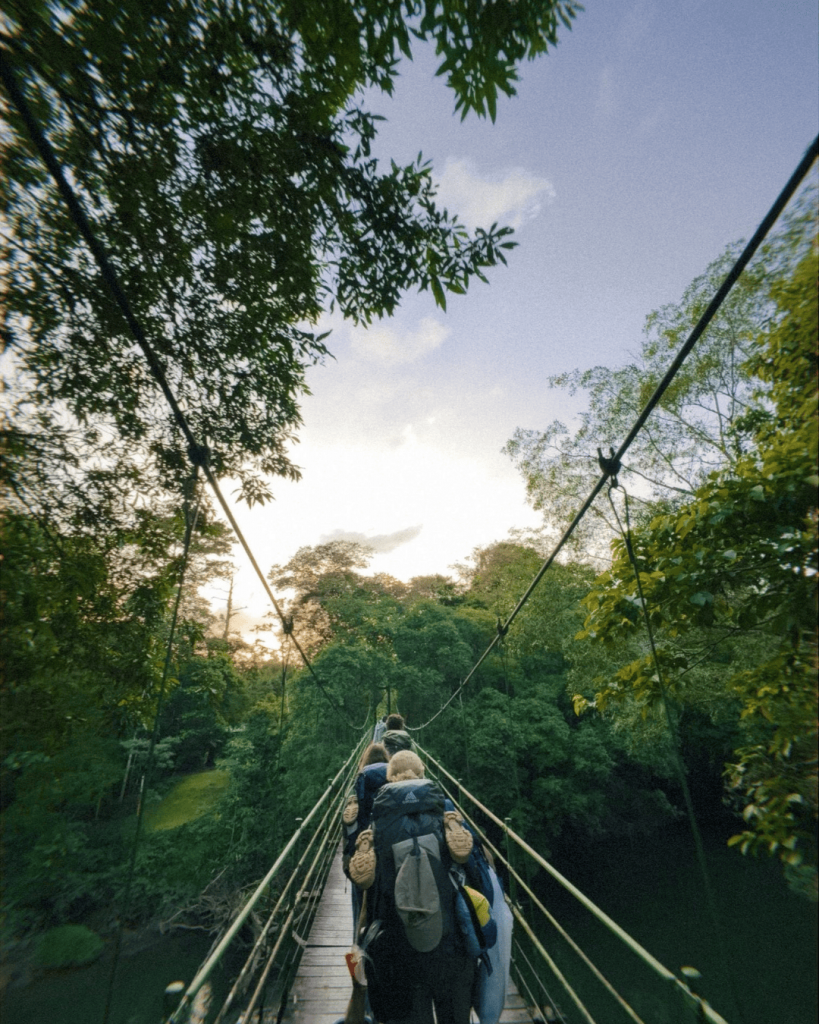
The tour began at La Selva, in the Caribbean lowland rainforest, one of the best-studied regions in Costa Rica. With the guidance of knowledgeable tour leaders, access to extensive plant and animal collections, and a wide network of trails, students engaged the landscape through guided walks, herbarium visits, and night hikes. Birds, mammals, reptiles, amphibians, and towering trees all became part of the classroom, and we remain grateful for the continued hospitality of the Organization for Tropical Studies (OTS) as our students learned within this remarkable ecosystem.
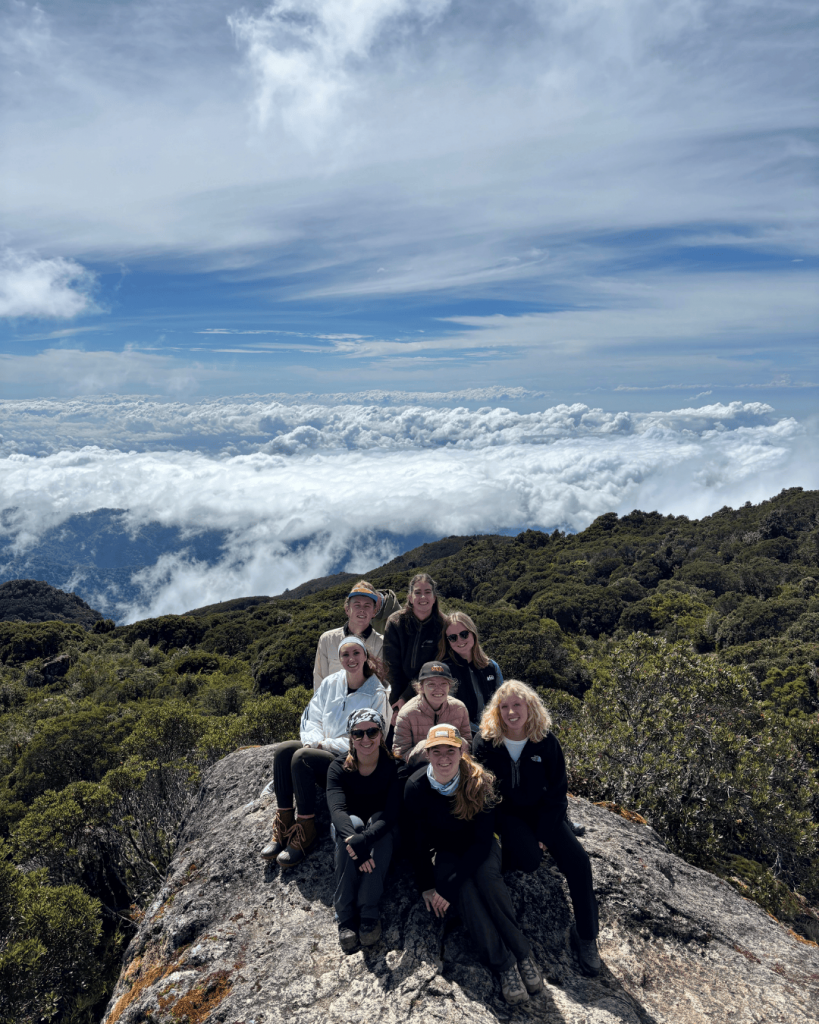
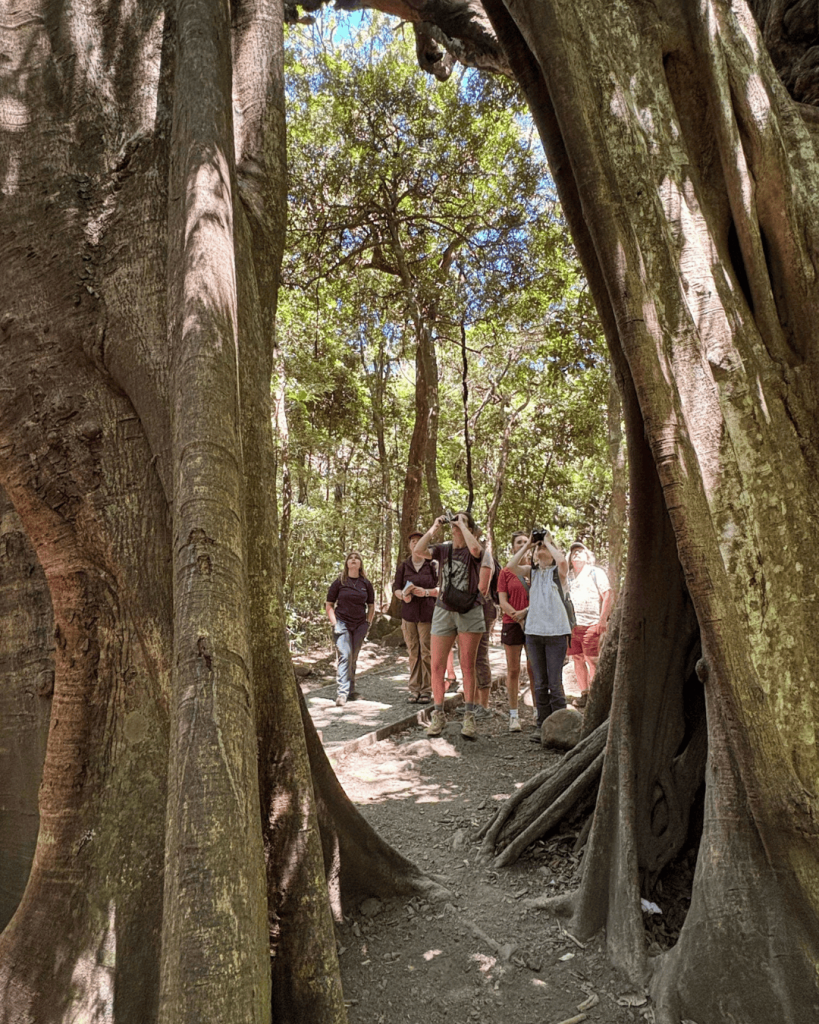
From there, the group entered Costa Rica’s volcanic region, where students saw firsthand how elevation and aspect can transform a forest habitat from one mountain slope to the next. Visits to Arenal, Tenorio, and Rincón de la Vieja offered a vivid look at the relationship between geology and ecology. At Rincón de la Vieja, active hot springs, mud pots, and steam vents gave students an opportunity to study volcanic activity and its effects on the surrounding environment in a direct and memorable way.
The tour then continued to Palo Verde, the second OTS station and the fourth national park on the route. Located in Guanacaste, this tropical dry forest presented a striking contrast to the lush Caribbean lowlands. Dormant, leafless trees during the dry season helped students notice the distinct rhythms of this biome, while nearby wetlands provided excellent opportunities for bird observation, including storks, herons, ducks, and jabirus. Around the field station and along the trails, students also encountered coatimundis, howler monkeys, curassows, and white-faced capuchins—another reminder of the rich diversity found across Costa Rica’s landscapes.
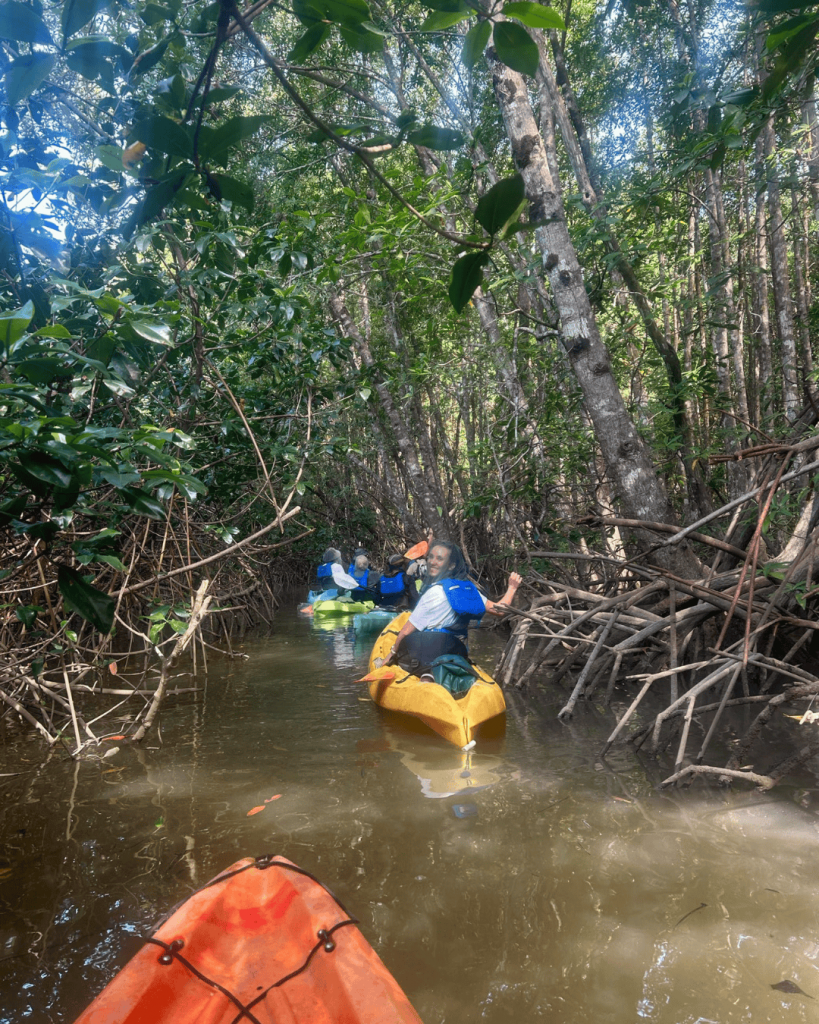
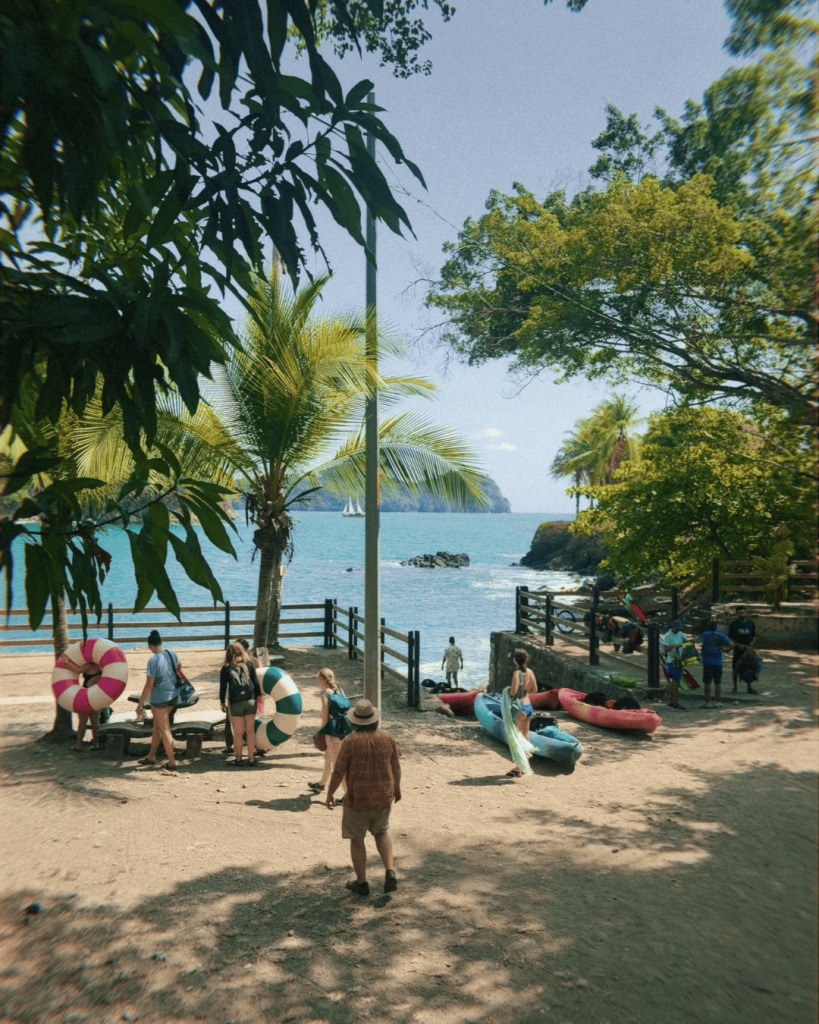
The final portion of the trip brought the group to the Pacific coastal biome and to Carara, the fifth national park of the tour. As a transition zone between the dry and wet forests of the Pacific lowlands, Carara offered another important setting for field observation. Students hiked through changing habitat, studied intertidal zones along the beach, and considered the impact of tourism on coastal ecosystems. A mangrove kayak tour on the Savegre River—where it meets the ocean—provided a fitting conclusion, connecting this experience with the same river our students have been researching in San Gerardo. In many ways, the tour served as a living laboratory, helping students connect what they are learning in the classroom with the work of stewardship and conservation in the field.
As our students travel this week, reconnect with friends and family, and prepare to finish the semester at QERC, we invite you to pray for them. We are thankful for the ways this journey continues to form attentive learners, careful researchers, and faithful stewards of God’s creation.