Thirty Years Rooted in Relationship: Celebrating QERC’s 30th Anniversary
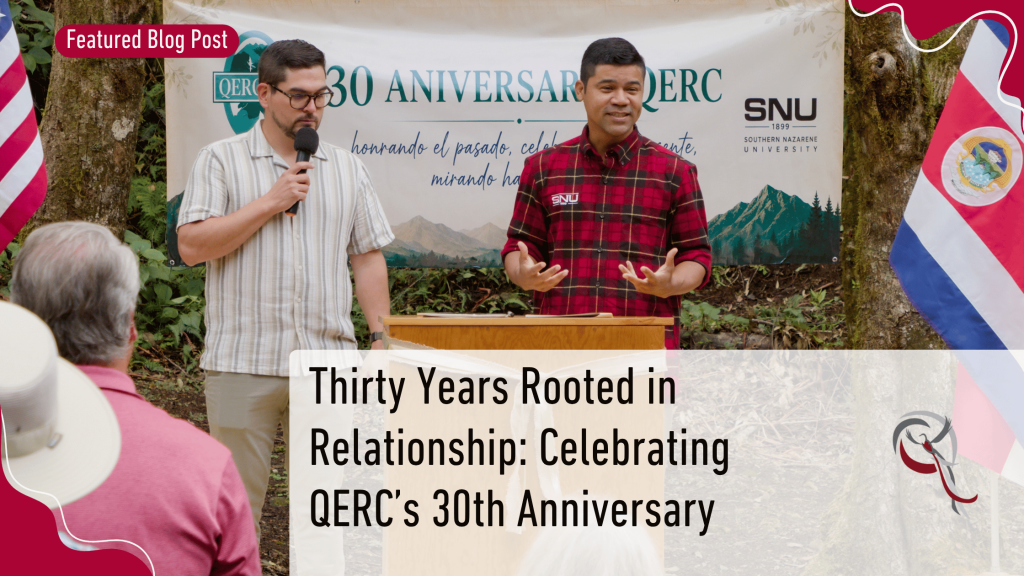
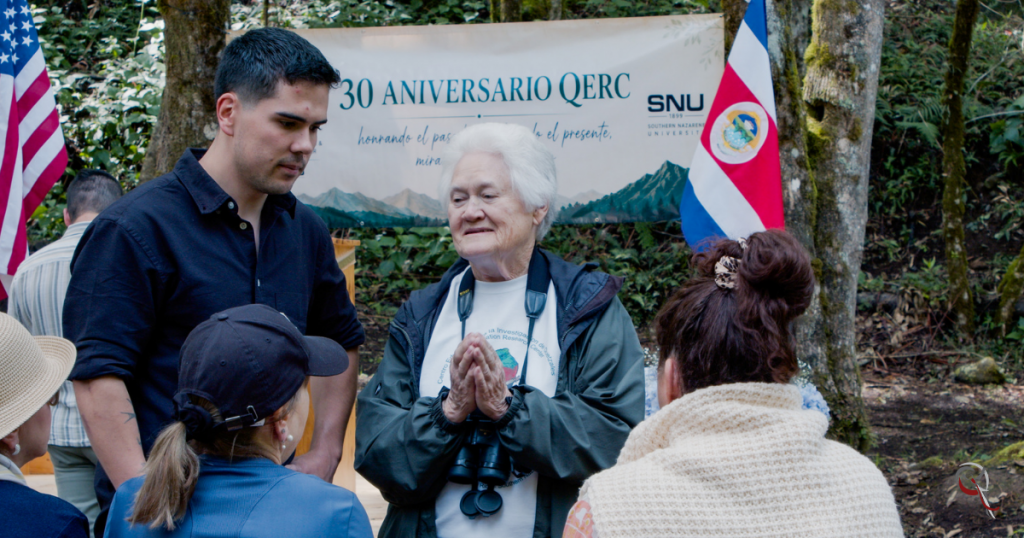
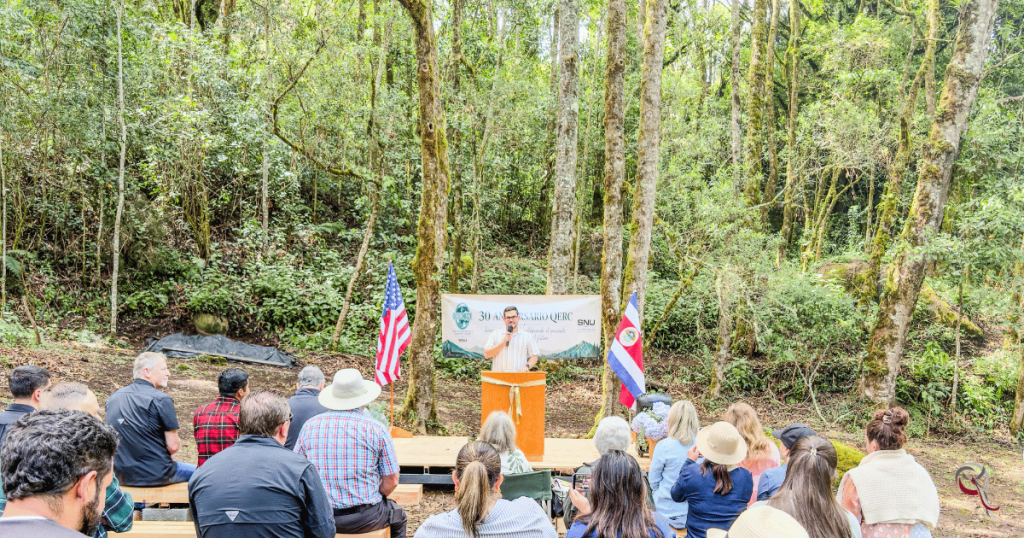
On July 28, 2026, friends, partners, alumni, researchers, community members, and leaders gathered in San Gerardo de Dota to celebrate a milestone: the 30th anniversary of the Quetzal Education & Research Center’s first building.
It was a celebration of thirty years of education, research, conservation, and service. But more than anything, it was a celebration of relationships.
That story reaches back further than the building itself.
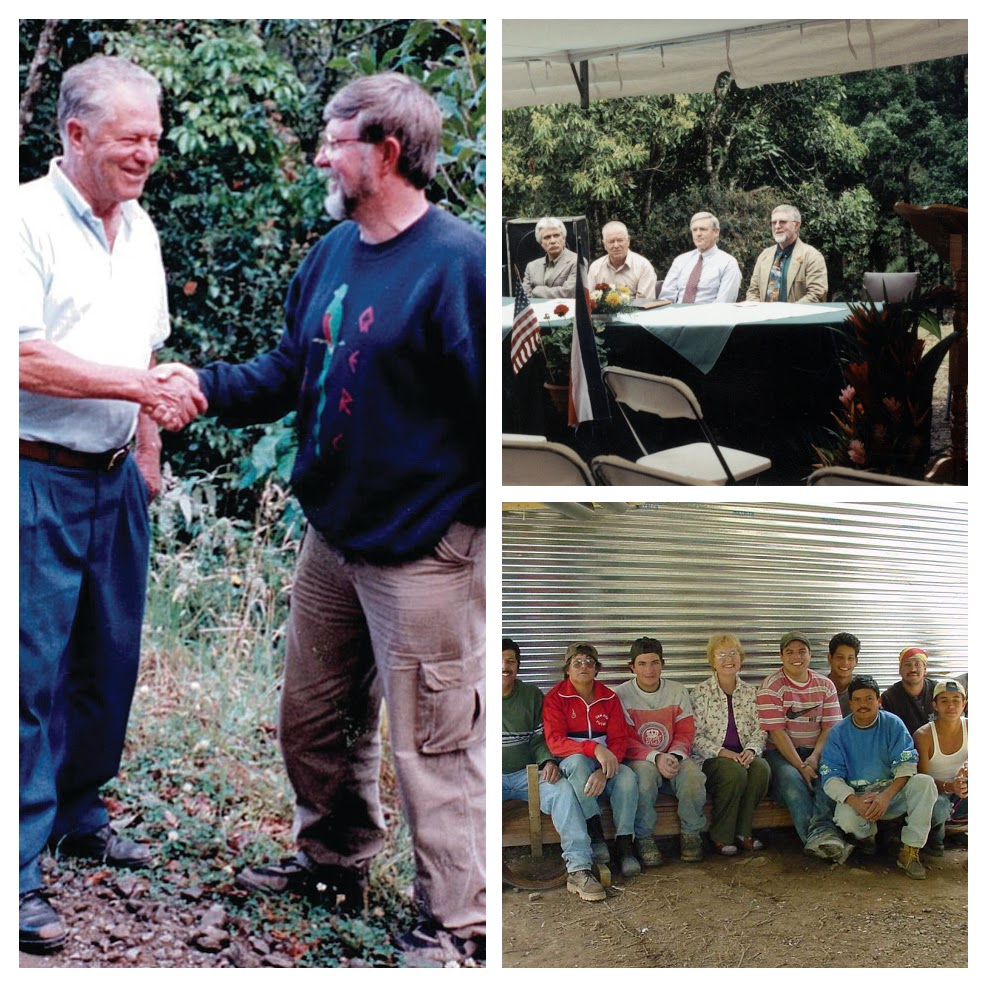
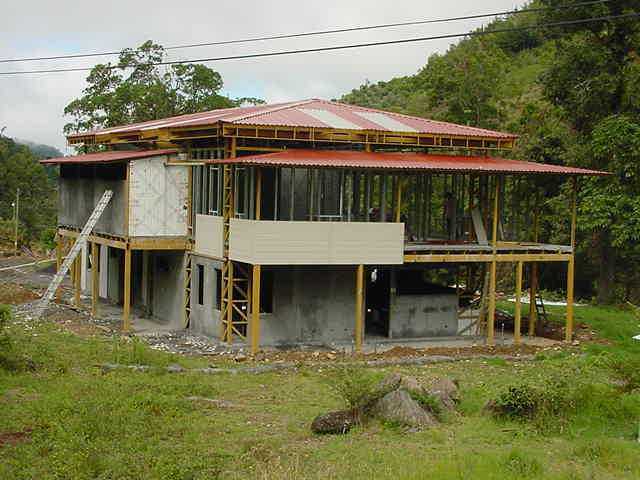
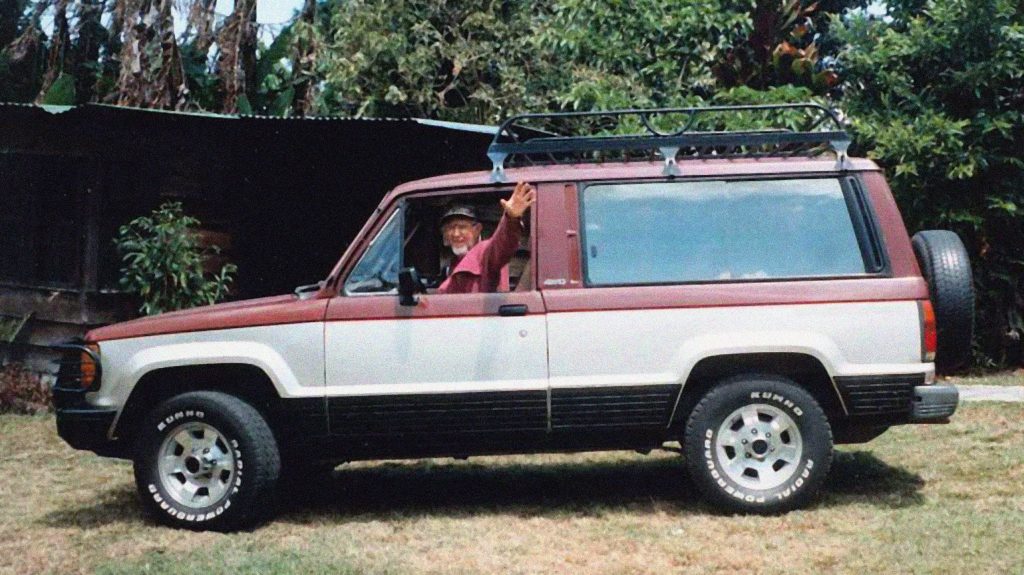
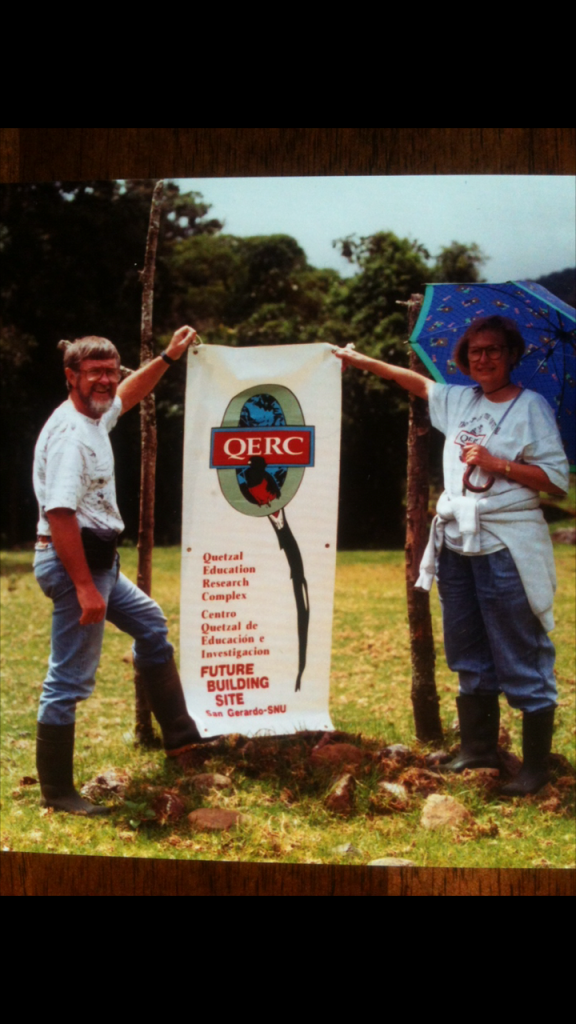
Southern Nazarene University’s relationship with the Savegre Valley began in 1982. Over the years that followed, the friendship between Dr. Leo and Zana Finkenbinder and the Chacón family helped create the foundation for what would eventually become QERC. In 1996, the first QERC building was established in San Gerardo de Dota.
What began through friendship and trust grew into something much larger: a place dedicated to promoting biodiversity, conservation, and sustainability through the Christ-centered integration of research, education, and community engagement.
Honoring the Past
The anniversary celebration was organized around three themes: Honoring the Past, Celebrating the Present, and Envisioning the Future.
The first belonged to the people who made QERC possible.
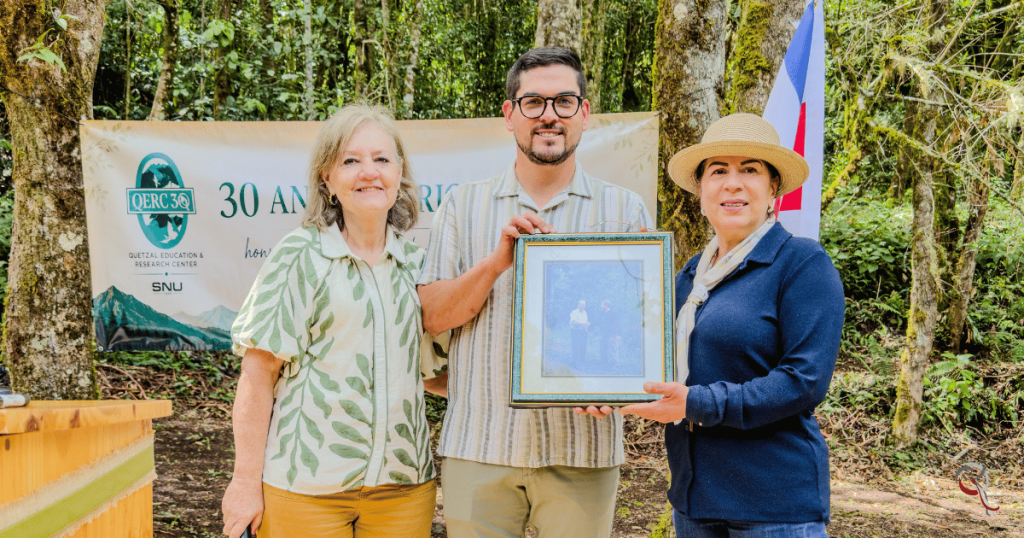
Zonda Martin attended on behalf of her mother, Zana Finkenbinder, representing the Finkenbinder family and helping share the story of QERC’s beginnings. Reflections from the Chacón family further highlighted the relationships that shaped QERC from its earliest days.
Together, their stories underscored a defining part of QERC’s history: long before there were facilities, research programs, or generations of students arriving in the valley, there were relationships.
Those relationships crossed cultures and institutions. They were built through generosity, shared purpose, and a deep connection to this place.
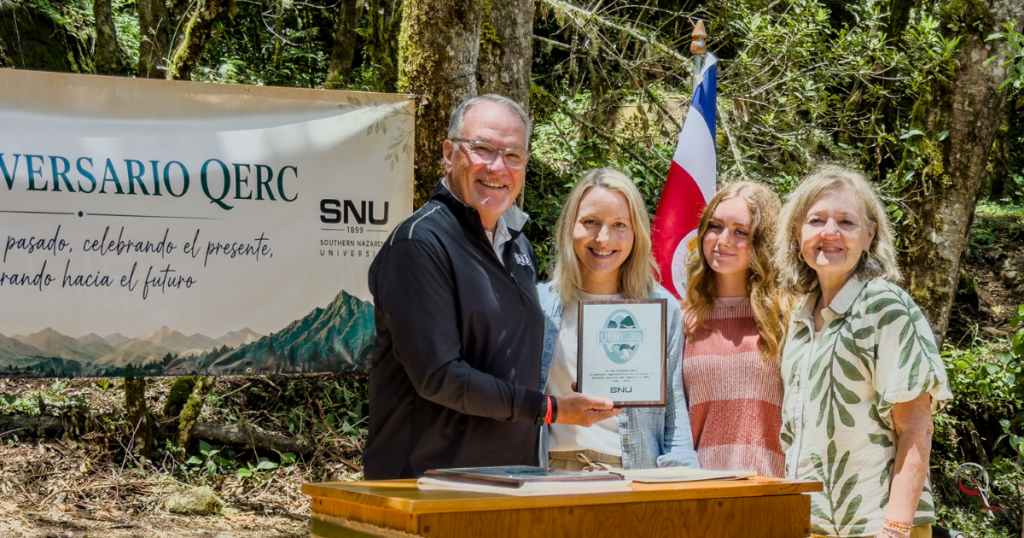
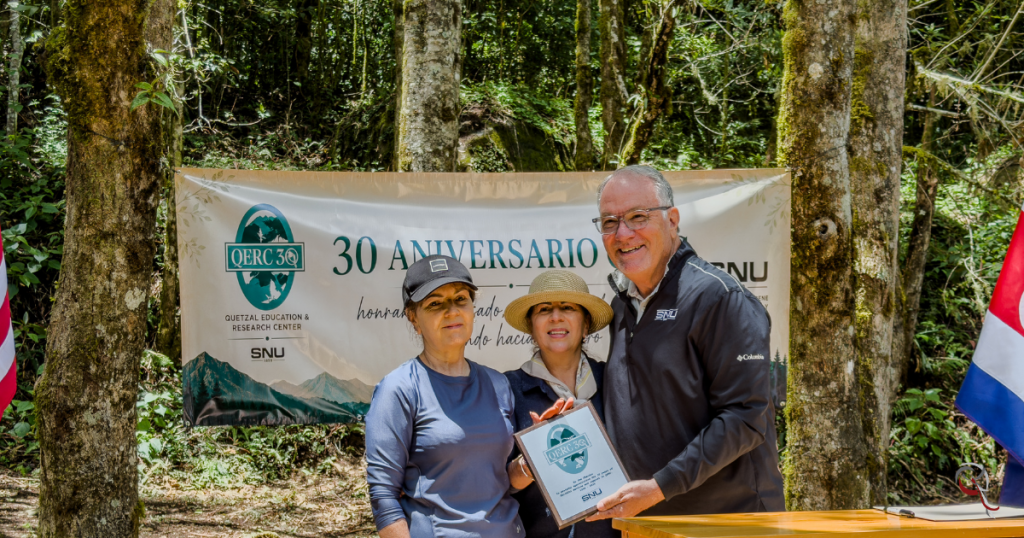
During the celebration, Southern Nazarene University President Dr. Keith Newman presented commemorative plaques honoring Dr. Leo and Zana Finkenbinder and the Chacón family, recognizing the legacy their friendship helped create.
The occasion also honored the many directors, coordinators, staff members, faculty, students, volunteers, and community partners who have contributed to QERC over the past three decades.
Celebrating the Present
Today, QERC is more than a field station.
It is a place where the cloud forest becomes a living laboratory, bringing together students, scientists, and community partners in one of the world’s richest ecosystems.
Students learn science by entering the environments they are studying. Researchers pursue questions grounded in the biodiversity of the Talamanca Mountains. Local knowledge and community priorities help shape QERC’s understanding of conservation and its responsibilities within the Savegre Valley.
This reflects a central part of QERC’s mission: conservation should not exist apart from the people who live alongside the ecosystems being protected. QERC seeks to connect conservation practice with the long-term well-being and economic viability of local communities while preparing students to approach environmental challenges with scientific rigor, cultural awareness, and a Christ-centered commitment to stewardship.
During the anniversary program, Dr. Mark Winslow, Southern Nazarene University’s Chief Academic Officer and a member of the QERC Board of Directors, reflected on QERC’s growth and the transformative educational experiences it has made possible.
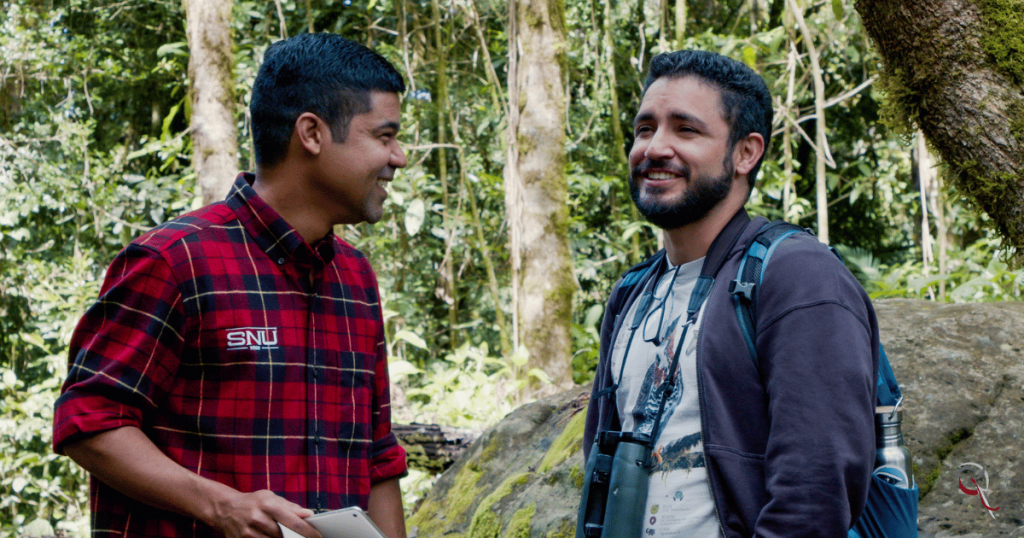
The program also featured Dr. Luis Sandoval, Ornithology Collection Curator at the Centro de Investigación en Biodiversidad y Ecología Tropical at the University of Costa Rica. His participation represents an important dimension of QERC’s expanding research partnerships and its growing connection with Costa Rican scientific institutions.
That partnership is already helping make possible one of the most significant scientific milestones in QERC’s history.
A Founding Dream Becomes Reality
For three decades, QERC has inspired generations of students and scientists to study, understand, and protect the extraordinary biodiversity of the Talamanca Mountains.
As QERC celebrates its 30th anniversary, one of the dreams that inspired the Center’s founders has become reality: the development of the first high-quality reference genome of the Resplendent Quetzal, the iconic bird that gives QERC its name.
The project has been made possible in large part through collaboration with Dr. Sandoval and reflects exactly the kind of partnership QERC seeks to cultivate: scientifically rigorous, locally connected, collaborative, and focused on questions with long-term conservation relevance.
A reference genome provides researchers with a powerful foundation for studying the biology and genetic diversity of a species. For the Resplendent Quetzal, it can support future research into population health, evolutionary history, and conservation across its range.
More than a scientific milestone, the project represents a lasting research legacy. It creates a resource that can strengthen future conservation science across Mesoamerica and deepen understanding of one of the cloud forest’s most emblematic species.
It also illustrates how far the original vision for QERC has come.
A center built through friendship has become a place where international and Costa Rican researchers can work together, where students encounter real scientific discovery, and where knowledge can contribute to the responsible care of creation.
Envisioning the Future
A 30th anniversary naturally invites reflection. It also raises a more important question: what comes next?
Dr. Newman shared Southern Nazarene University’s vision for QERC’s future, renewing a commitment to education, research, conservation, and the people of the Savegre Valley.
That future is grounded in a clear aspiration: to prepare a globally aware generation for the challenges of biodiversity conservation and sustainability through a Christ-centered approach.
For QERC, that means continuing to develop serious scientific partnerships, creating formative field experiences for students, and pursuing conservation work that respects both ecological priorities and the communities that call the valley home.
The celebration then moved outdoors for two symbolic acts.
First, the QERC community planted a commemorative tree.
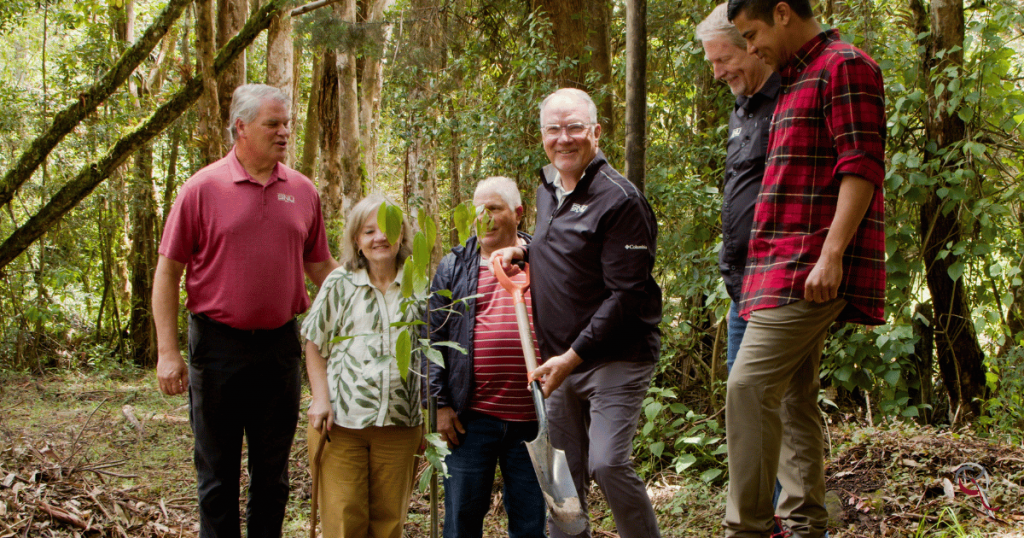
Its meaning was simple: deep roots and enduring hope.
Like the relationships from which QERC grew, the tree will take root in this place. Like the students and researchers who continue to arrive in San Gerardo de Dota, it will grow and change. And like the surrounding forests, it serves as a reminder that care for creation carries a responsibility to generations still to come.
A time capsule was also placed beneath the ground, containing reminders of QERC as it exists today: its work, its gratitude, its hopes, and its vision for the future.
Together, the tree and time capsule connected QERC’s history with a future still being written.
A Legacy Built Together
For thirty years, QERC has brought together education, scientific research, conservation, faith, and community in the cloud forests of Costa Rica’s Talamanca Mountains.
Students have encountered science in the field and learned what responsible stewardship looks like in practice. Researchers have pursued new questions and developed collaborations across institutions and borders. Partnerships have formed across cultures and generations.
Yet the foundation has remained remarkably consistent.
QERC exists because people chose to build relationships.
The friendship between the Finkenbinders and the Chacón family helped make the first chapter possible. Every generation since has inherited the responsibility to strengthen what they began: to pursue serious science, care responsibly for creation, serve students well, and remain rooted in partnership with the community of San Gerardo de Dota.
Thirty years later, the Resplendent Quetzal genome project offers a fitting example of what those roots can produce: a scientific achievement born from partnership, connected to place, and designed to serve generations of research still to come.
As QERC enters its next thirty years, that may be its most important inheritance.
Deep roots. Shared purpose. And a commitment to keep learning, serving, and caring for this remarkable place together.