Stream Health Monitoring in the Río Savegre
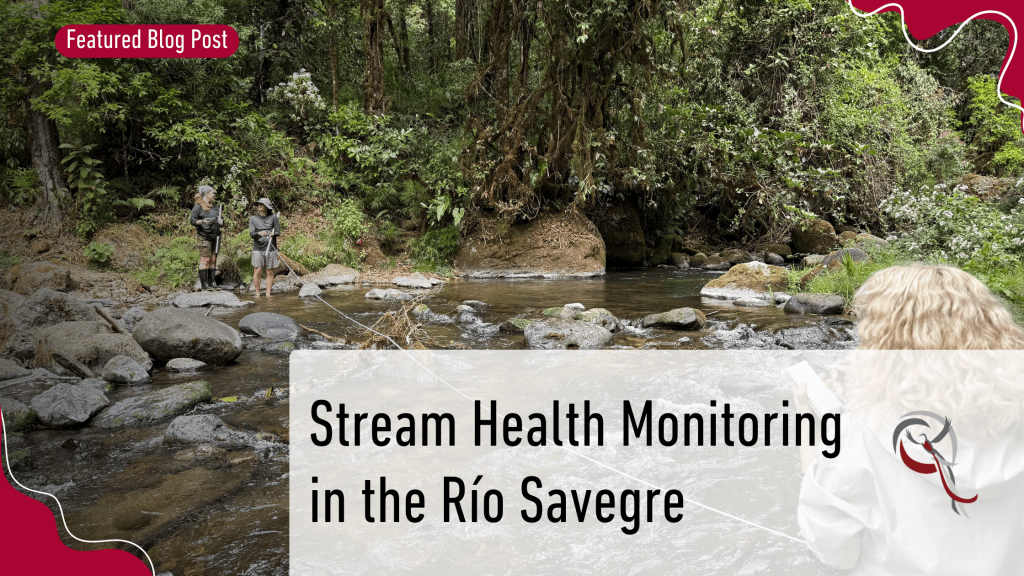
In the first half of February, the Spring 2026 cohort at the Quetzal Education and Research Center (QERC) was grateful to welcome Dr. Chris Garner and Professor Jackson Winslow. Their visit marked the start of this semester’s core research initiative: comprehensive stream health monitoring in the Río Savegre watershed—hands-on field research rooted in Christ-centered stewardship and a shared commitment to faithful Creation Care.
As a living laboratory in Costa Rica’s Talamanca Mountains, QERC invites students into field-based, faculty-led research shaped by community-identified priorities in the San Gerardo Valley. Rather than building isolated projects, each cohort contributes to longitudinal studies that strengthen datasets over time—an approach that supports academic rigor while keeping research accountable to real places and real needs.
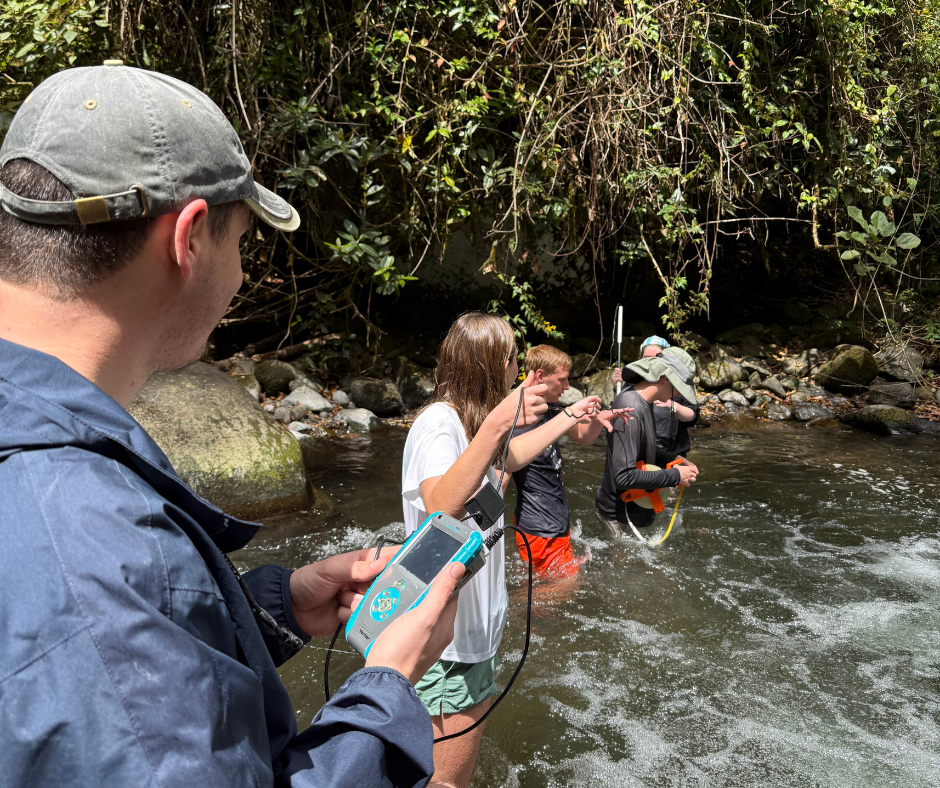
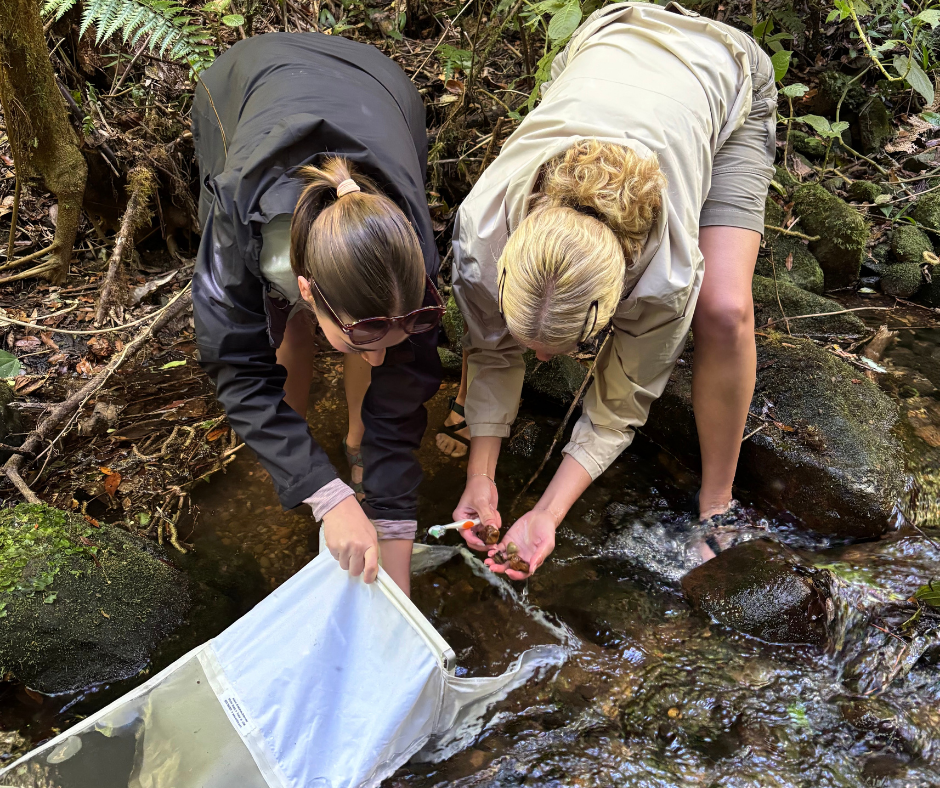
This semester, students are evaluating stream health through integrated biological and abiotic assessments, a research theme selected for its direct importance to local residents and the ecological integrity of the valley. Under faculty guidance, the cohort conducted habitat characterization, microbial analysis, and identification of aquatic macroinvertebrates within the Río Savegre—an essential water source for the community.
Monitoring took place across three established reaches of the Río Savegre, along with a newly incorporated site on a tributary, the Quebrada stream. Much of the experiential learning required extended time in the river itself: measuring channel morphology, assessing substrate composition, recording temperature and flow parameters, and collecting biological samples. Field research is often physically demanding—cold water, soaked boots, and long days—but students met the work with steady resilience and purpose.
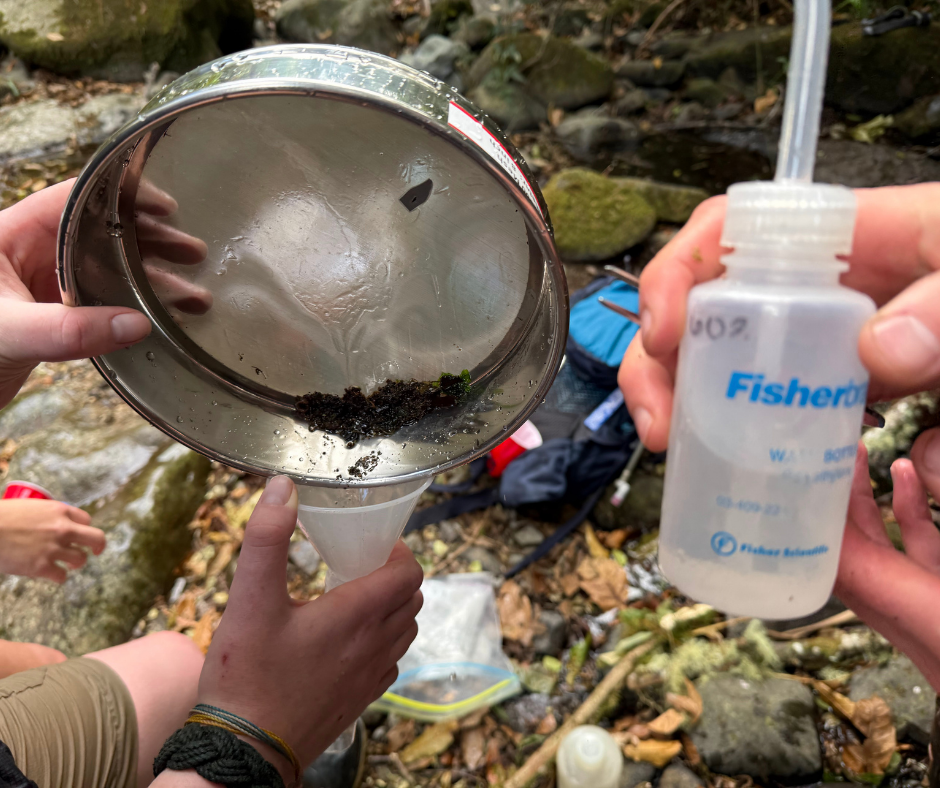
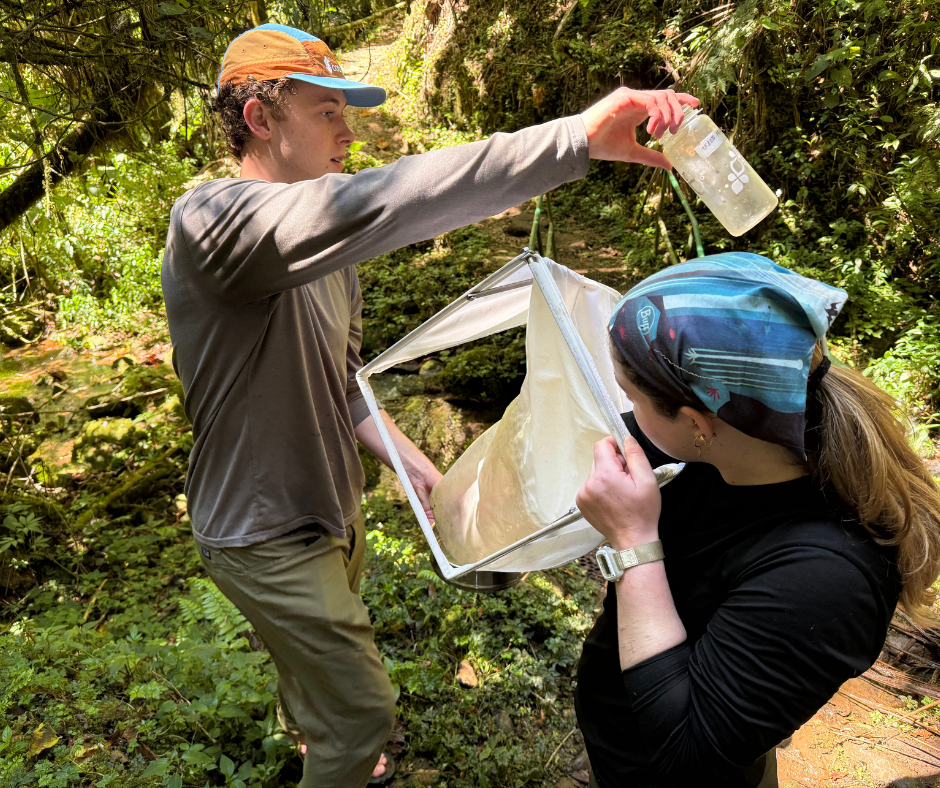
Preliminary laboratory analyses have already shown notable differences among sites, especially in macroinvertebrate diversity and microbial indicators. These early findings suggest spatial variation in habitat structure and water quality as the river continues downstream—patterns that are ecologically meaningful and also relevant to the local and global communities who depend on reliable conservation and sustainability practices.
By the end of the semester, the cohort will present findings to the community, reinforcing QERC’s commitment to partnership and service-oriented research.
If you’re a prospective or current student interested in experiential learning that pairs academic rigor with Christ-centered stewardship, we invite you to connect with QERC to learn more about upcoming cohorts and research priorities.